
From slavery to sovereignty
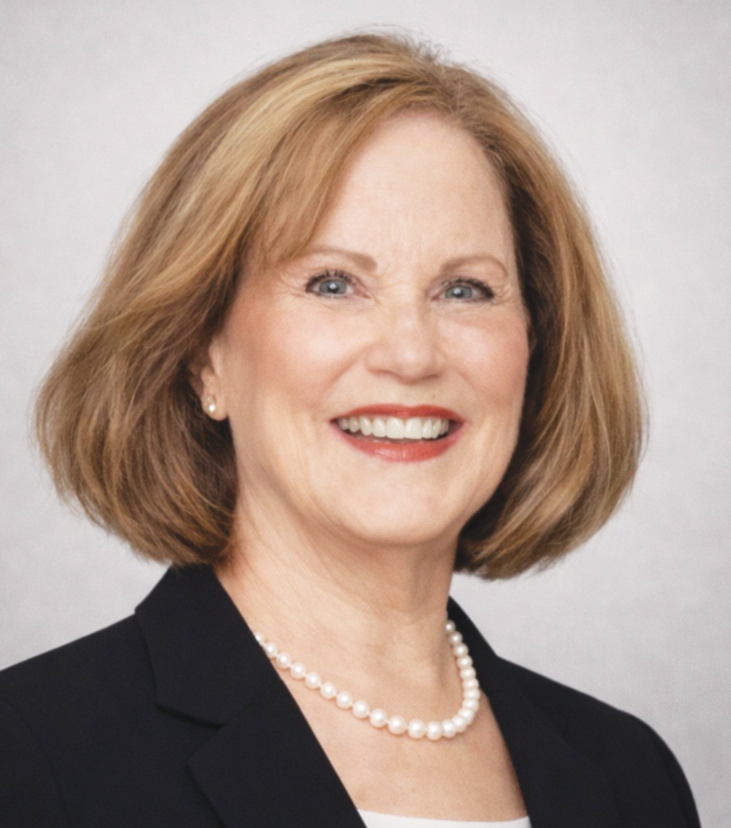
By Rabbi Judy Chessin, Temple Beth Or
We are living through historic times. American Jews have long lived with an uncomfortable truth: The world is far more sympathetic to powerless Jews than to powerful ones.
The writer Dara Horn described the reality bluntly in her book People Love Dead Jews. The world builds museums to Jewish suffering. It teaches schoolchildren about Anne Frank. It solemnly vows “Never Again.”
But living Jews — Jews who defend themselves, Jews who wield power, Jews who shape their own destiny — provoke a far more complex reaction.
Which raises a question many of us have been grappling with since Oct. 8, 2023: After 2,000 years of powerlessness, are we ready for what true Jewish power means?
The Jewish calendar in April places that question clearly before us. Within a few short weeks, we move through three observances that trace the arc of the Jewish story itself.
At Passover, we remember what it meant to be slaves. Days later, we observe Yom Hashoah and confront the catastrophic consequences of Jewish powerlessness in the modern world.
Then we celebrate Yom Ha’atzmaut — the rebirth of Jewish sovereignty in the Jewish State of Israel.
In a single month we reenact slavery, catastrophe, and sovereignty. Few peoples commemorate that entire journey in such a short span. And this year, those words feel less like ancient memory and more like unfolding news.
On Feb. 28, 2026, the Jewish story changed once again. For decades, the regime in Iran openly called for Israel’s destruction while funding terror across the region. Those threats became part of the background noise of Jewish life — ominous, familiar, and relentless.
Then, overnight, something changed. Israel acted, and the United States acted alongside it.
The clerics who had spent decades issuing threats against Jewish life were eliminated. A regime that had long chanted “Death to Israel” — and “Death to America” — discovered that those threats would no longer go unanswered — and that threatening destruction now carried consequences.
For the first time in generations, Jews were not simply asking whether the world would act. Jewish power — and the power of its allies — had unmistakably entered the equation.
For 80 years. Jews asked a haunting question: Why didn’t the Allies bomb the tracks to the Auschwitz concentration camp? The question reflected a deeper fear — that when Jewish lives were at stake, the world would not act.
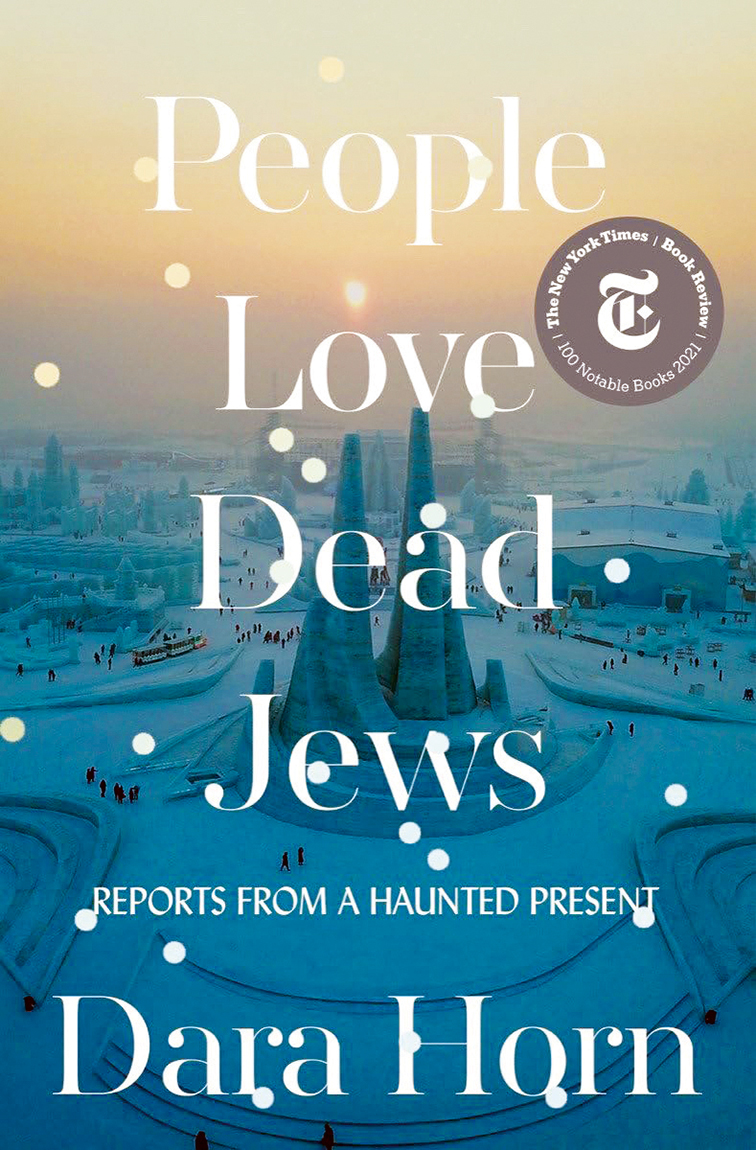
Today we face a different reality. A Jewish army exists. Jewish power exists. And Jews no longer wait for the world to act. And the world, which loves dead Jews, is uneasy around Jews who successfully exercise power.
Over the past years, this tension has been impossible to ignore. The trauma of Oct. 7, 2023 revived the oldest Jewish fear — that Jews could once again be hunted simply for being Jews.
Yet even as Israelis buried their dead and confronted enemies openly committed to their destruction, loud voices around the world quickly cast Israel not as victim but as aggressor, accusing the Jewish state — and, in turn, Jews everywhere — of genocide even as Israel warned civilians and targeted those who attacked it.
This is the cognitive dissonance of the Jewish moment: Jews feel vulnerable, while the world condemns the power Jews use to defend themselves.
For centuries, Jews feared a world that would not defend us. Now we face a different challenge: living in a world that condemns us for defending ourselves!
Our children are growing up in a Jewish world unlike any their parents or grandparents knew.
They inherit the memory of slavery, exile, and genocide. But they also inherit something unprecedented in Jewish history: Jewish sovereignty.
Will they learn to carry that inheritance with pride and responsibility? Or will they be taught to feel ashamed of Jewish power?
Perhaps the hardest shift for Jews is not military or political but psychological.
For centuries, the Jewish people feared being hated and defenseless. Today, we face a different possibility: that we may sometimes be hated not because we are weak, but because we are strong enough to defend ourselves. Can we live with that?
Jewish tradition has never romanticized power. The Torah warned kings not to trust their own strength. The prophets insisted that power must always be restrained by justice and tempered by the Divine.
That may be why it feels so powerful that Jewish history places these observances so close together.
Pesach reminds us what it meant to be powerless. Yom Hashoah reminds us what happens when Jews have no refuge. Yom Ha’atzmaut reminds us that sovereignty — Jewish power — is both miracle and responsibility.
Our generation, and especially our children, are still learning what it means to live with that truth.
Perhaps the task before us is not to apologize for Jewish power, but to learn how to carry it — and to teach the next generation to answer accusations not with shame, but with clarity, history, and moral confidence.
Jewish sovereignty is new in our long story. Learning how to carry it may be the work of this generation. But carry it we must.
To read the complete April 2026 Dayton Jewish Observer, click here.