Let our menorahs shine: a Chanukah answer to rising antisemitism
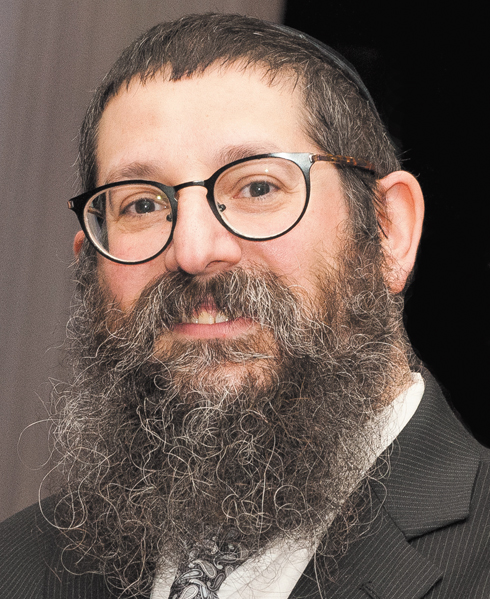
By Rabbi Nochum Mangel, Chabad of Greater Dayton
We are concerned. Around the world, and especially here in America, antisemitism is rising at a pace few of us would have imagined.
Twenty years ago, who would have believed that Jew-hatred would reach the point where anyone can accuse Jews of any conspiracy or lie and face so little pushback?
Who would have believed that Jews in America would be physically attacked, or that Jewish-owned businesses would be boycotted simply because of who owns them?
It is understandable that many are asking whether the golden age of Jewish life in America is coming to an end, and what our future holds.
Sadly, these questions are not new. Our history tells of many countries where Jews felt comfortable and secure until suddenly they did not.
Yet that same history gives us something else: a calendar full of holidays that celebrate our survival in the face of enemies who tried to destroy us or to destroy Judaism itself.
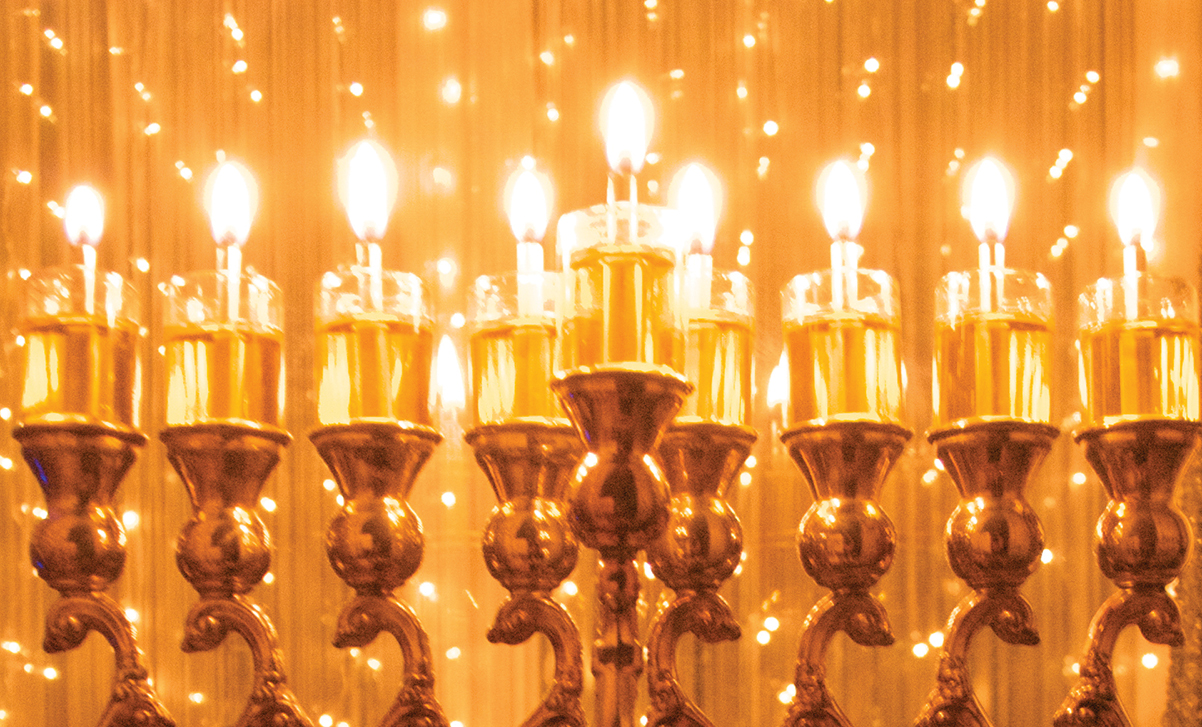
Chanukah is one of them. As we prepare to light the menorah this year, its story offers both hope and a model of courage.
Three responses to a crisis
More than 2,100 years ago, the Syrian-Greek rulers of the land of Israel turned against the Jewish people. Their aim was not only to rule over Jews but to end Judaism.
Torah study, Shabbat, circumcision, and other Jewish practices were outlawed, and the Holy Temple in Jerusalem was defiled.
Jews responded in different ways.
Many embraced Greek culture wholeheartedly. Hellenism, they believed, was the new, advanced, enlightened way of life, a culture that would save all of humanity. Why cling to old traditions when the future seemed to belong to Athens?
Others did not fully believe that, but they were afraid. In a time of danger, they reasoned, it was wiser to give up some of our Judaism to appease the Greeks. Lie low. Blend in. Perhaps one day, when the danger would pass, we could return to our traditions.
But a third group — small, courageous, and defiant — refused both paths.
In the town of Modiin, Mattityahu and his sons, who became known as the Maccabees, declared that they would not abandon Judaism or God.
However difficult it became, they would risk their lives to remain loyal to the heritage that had carried the Jewish people this far. They would continue to practice Judaism despite the risks.
They were a tiny minority facing one of the most powerful armies of the ancient world.
Led by Judah the Maccabee, they miraculously prevailed.
The search for pure oil
The Chanukah story does not end with the military victory. When the Maccabees returned to the Temple to rekindle the menorah, they could have lit it with any oil they found. Under the circumstances, Jewish law might even have permitted it.
But they said, “We did not fight only to survive. We fought for the right to practice Judaism the way God asked of us, and we will make every effort to do it properly.”
So they searched for pure, sanctified oil, still sealed with the High Priest’s seal. They found just one small jug, enough to burn for a single day. Miraculously, it burned for eight.
That miracle was God’s response to their effort, a sign of His appreciation for their dedication and loyalty to Torah and Judaism. They did their part, going beyond what was required, even sacrificing their lives, and God did the rest.
Our Modiin moment
Today we face our own version of that choice. Those who hate us want us to be afraid. They want us to feel ashamed of our Judaism, to tuck our Stars of David and Chai necklaces under our shirts, to hesitate going to synagogue, and to keep our menorahs away from the window.
But history teaches that hiding and capitulating never satisfy those who hate us. Retreat does not calm their appetite; it only increases it, inviting greater harm. The Jews who tried to appease the Greeks did not secure their future. The Maccabees did.
Like them, we are called to be brave, courageous and, yes, defiant: to live openly and proudly as Jews. That means continuing to place our menorahs in our windows, even when we are worried. It means attending and supporting public menorah lightings in our parks, town squares, and shopping centers, and bringing our family and friends with us. Every flame tells the world: We are here.
We are proud. And we are not going anywhere.
It also means doing a little more than before. Just as the Maccabees went the extra step to find pure oil, each of us can add something: another mitzvah, another Shabbat candle, another hour of Torah learning, another act of kindness.
Tell your children the Chanukah story and why it still matters, so that they grow up proud of who they are.
The answer to those who want less Judaism in the world is more Judaism.
Light dispels darkness
Chanukah comes in the darkest, coldest weeks of the year. We do not wait for an easier time to light; we light when it is hardest.
The Chanukah candles are small, but a little light dispels a great deal of darkness, and each night we add one more.
This Chanukah, let us stand with God and celebrate our relationship with Him, however difficult the times may be.
And let us hope and pray that the light and warmth of our Chanukah candles will shine far beyond our homes, sharing the truth with a world that badly needs it, so that all people of goodwill can see, learn, and stand together against the evil that still troubles our world.
To read the complete December 2026 Dayton Jewish Observer, click here.