
September 11 — 25 years later
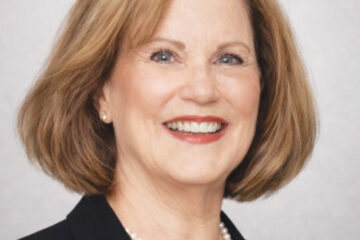
By Rabbi Karen Bodney-Halasz, Temple Israel
As we enter the High Holy Days, we are encouraged to engage in cheshbon hanefesh, an accounting of our souls. In doing so, we ask ourselves what needs to change. What do we want to do differently this year? We think about making teshuva, repentance. What do we need to repair? How will we heal the wounds of relationships that have been broken?
But this year, I think the timing begs us to consider another question. Rosh Hashanah begins on Sept. 11, exactly 25 years after the attacks of 2001. This year, I am wondering: What did we keep?
There are moments in our lives that clearly define a before and after. Yitzhak Rabin’s assassination was one of those moments for me. Sept. 11 was another. More recently, we have talked about life before and after the pandemic and, as Jews, before and after Oct. 7, 2023.
These experiences change us. While we may remember exactly when that change happened, eventually we become accustomed to living in the world that followed.
Sometimes what gets lost isn’t something we can easily name. Sometimes what gets lost is a possibility.
Twenty-five years later, I can see this most clearly when I look at my children.
They will never know what it was like to fly without the TSA or to meet a loved one at the gate.
They will never look at the New York skyline and remember when something wasn’t missing. They can hear Empty Sky, The Rising, or Where Were You (When the World Stopped Turning), but they cannot hear them with the memories that gave those songs their meaning.
They don’t remember American flag decals suddenly appearing on cars, or people across the political spectrum wearing pins in solidarity.
And they don’t remember the fear and suspicion directed toward our Muslim and Sikh neighbors — or the urgency many of us felt to stand beside them.
They also inherited a political world shaped by Sept. 11. Terrorism, national security, and our relationship with the Middle East took on a different place in American life. The wars in Afghanistan and Iraq, debates over surveillance and civil liberties, and the ways we came to understand threats at home and abroad have shaped much of the politics of their lifetimes. They know that world.
They don’t remember its becoming.
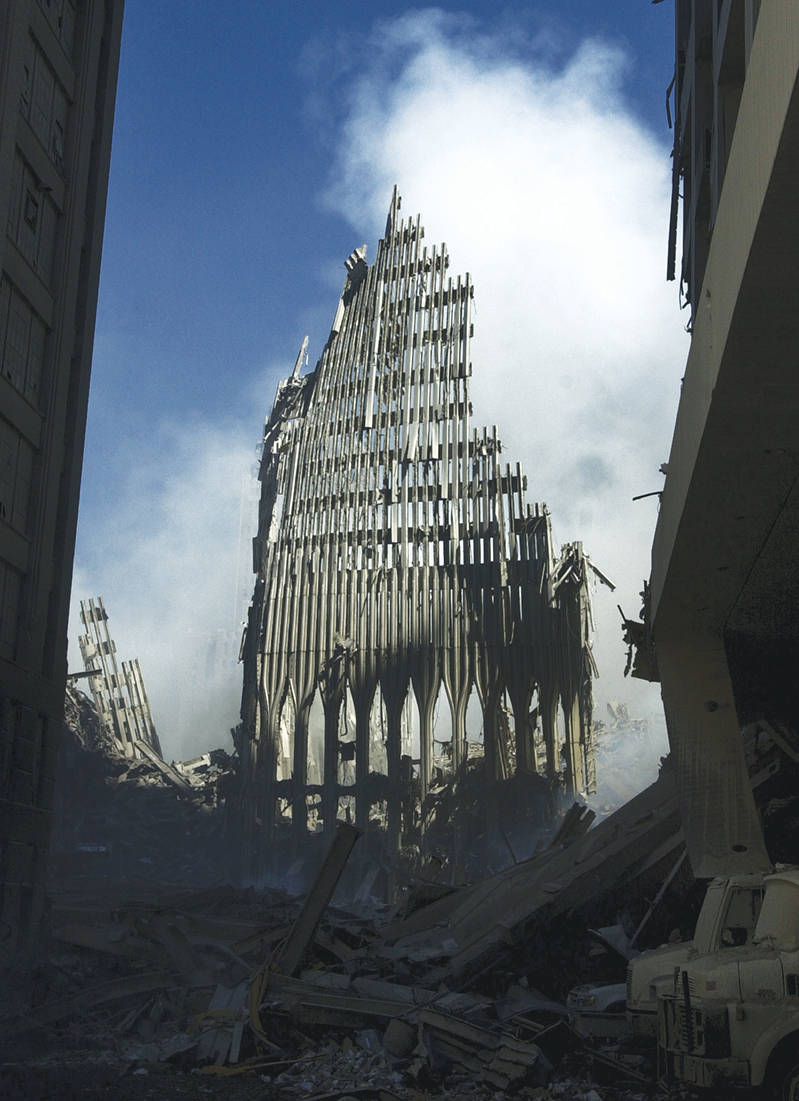
For them, these are stories about a world that changed. For those of us who lived through it, they are memories of being changed.
Twenty-five years later, I can reflect on what Sept. 11 meant to me and the meaning we made from it.
But that is still looking from my side out. I know what I remember. I know what I think changed, and what I believe we held onto or lost.
My children can’t tell me how Sept. 11 changed me. They didn’t know me before. But they may be able to tell me something about who we’ve become.
That allows the conversation to flow in both directions. I can tell them what I remember changing, what I thought we kept, what was lost, and what once seemed possible.
More importantly, I can ask what they see now. What have they come to accept as normal? What do they see in my generation — or in me — that I may no longer notice?
That feels especially important as we begin the work of teshuva. Cheshbon hanefesh asks us to take an honest look at ourselves. We know who we have been, and we have a sense of who we think we have become. But we don’t always know how we are experienced by others.
Sometimes we need someone else to hold up the mirror.
Maybe part of our cheshbon hanefesh this year can happen in conversation. We can share what we remember and the lessons we believe we carried forward.
But then we also have to listen. Did those lessons actually become part of who we are? Are they visible to anyone besides us? Where have we missed the mark? And what may have been lost in translation along the way?
This year, as we enter 5787, I am still wondering: What did we keep? Twenty-five years later, perhaps the answer isn’t only found in what we remember. It may also be found in what others see reflected in us.
To read the complete September 2026 Dayton Jewish Observer, click here.